A 72-year-old male tripped and fell, dislocating his non-dominant left-ring finger’s proximal interphalangeal joint (Figures 1 and 2). The dislocation was reduced under ring block anaesthesia and the joint immediately mobilised using a simple method of ‘buddy strapping’ using elasticated bandages (Figures 3-6). This enabled the patient to play 18 holes of golf the following week with minimal swelling, controlled flexion and abduction of the digit and with adequate functional support!
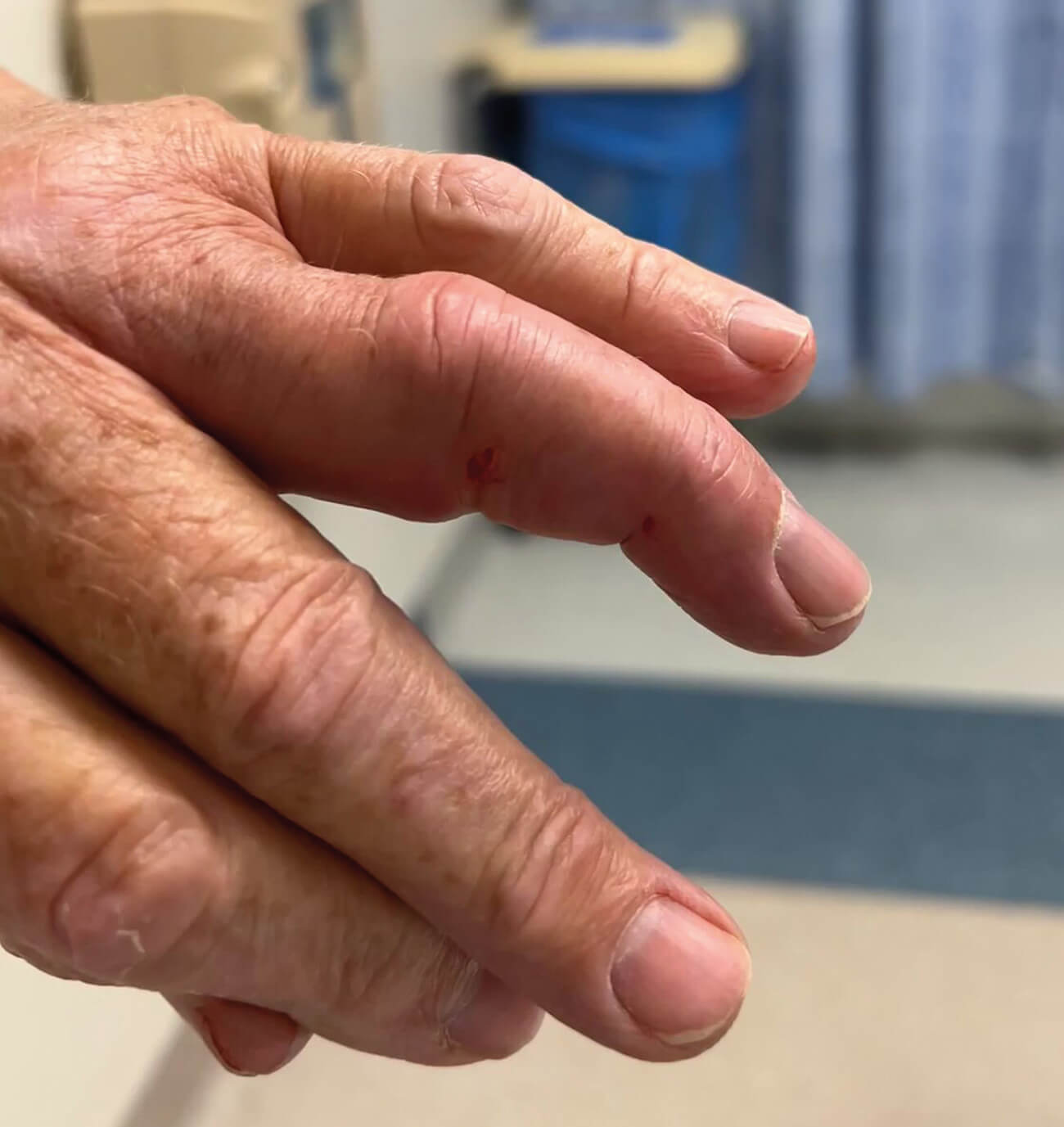
Figure 1: Dislocated PIP LD4.
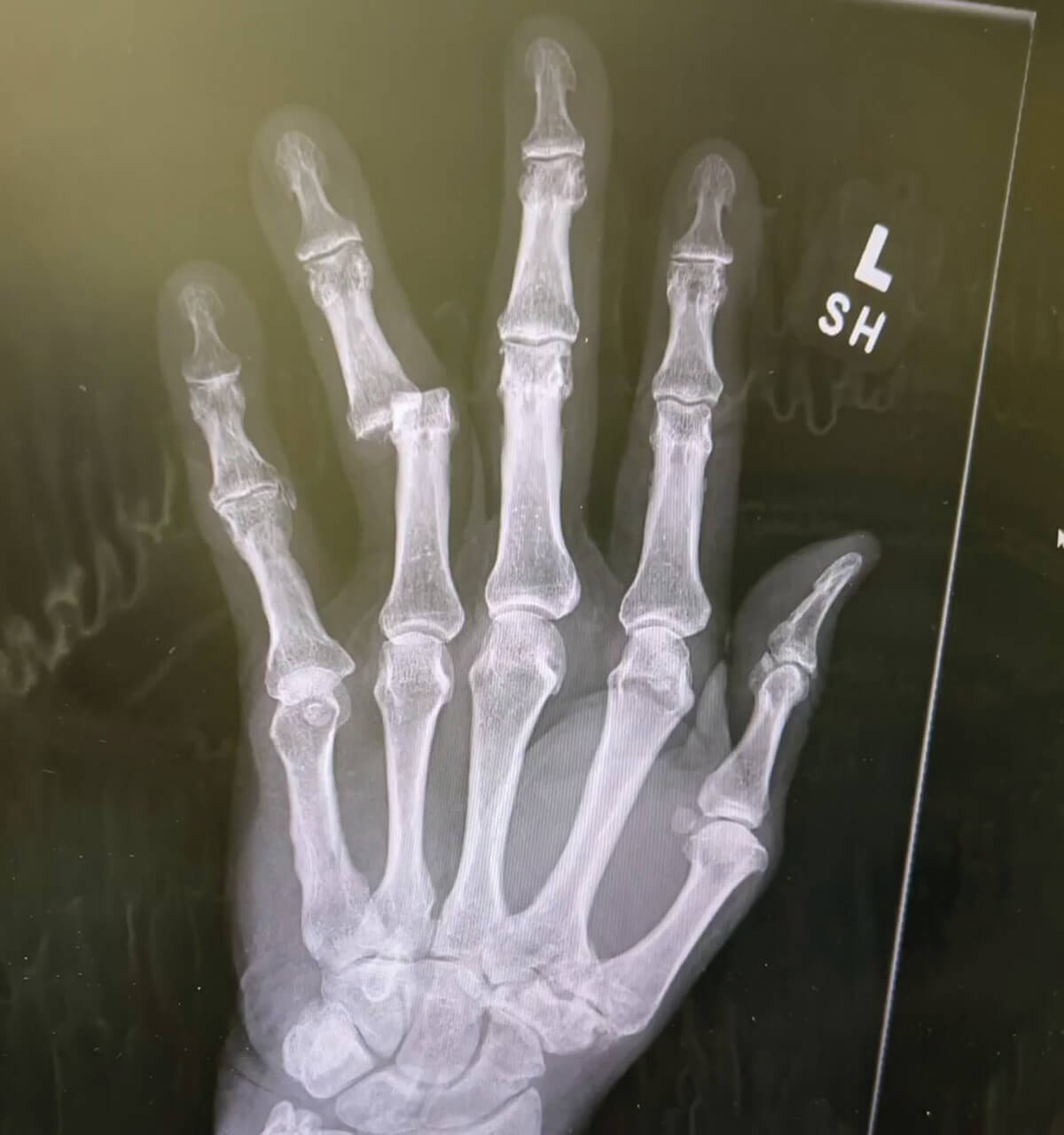
Figure 2: Xray showing fracture dislocation of PIP joint LD4.
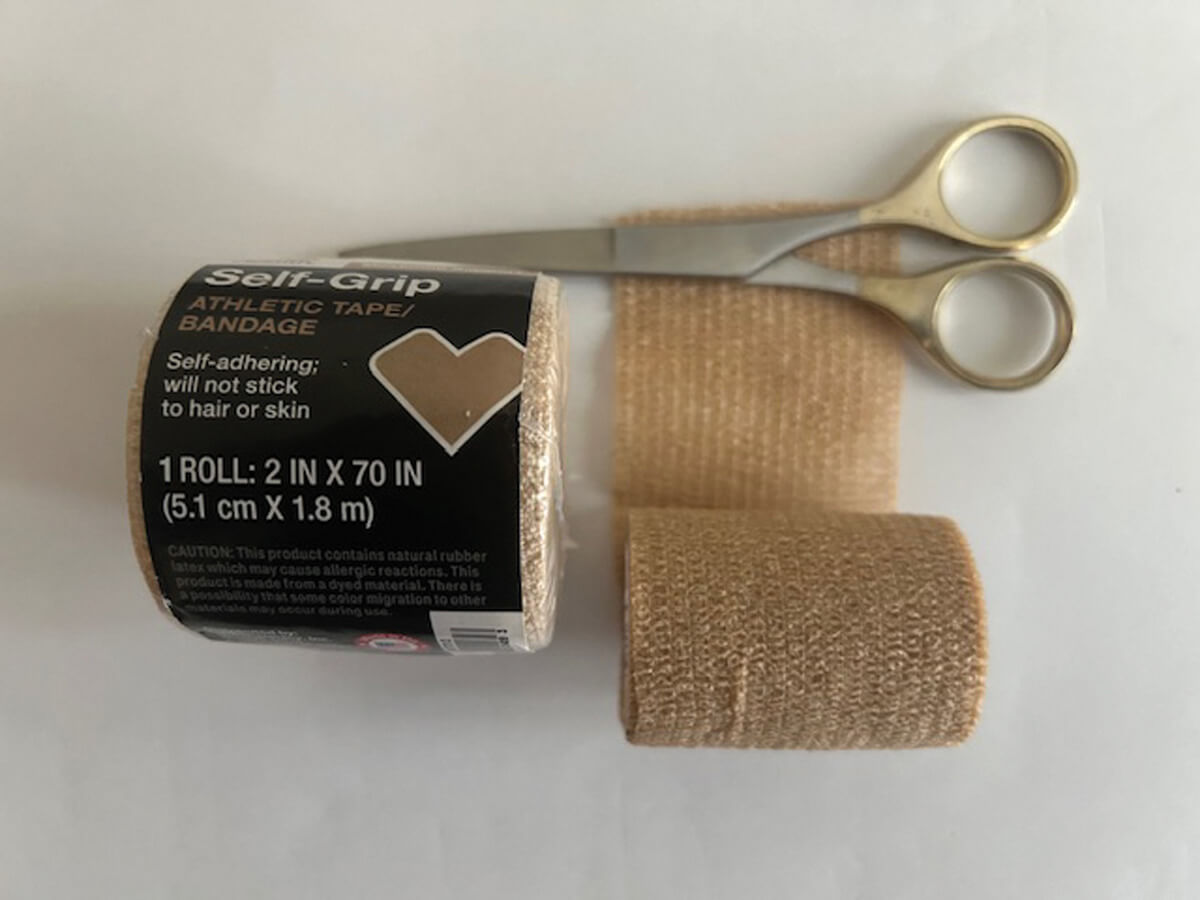
Figure 3: Elasticated self-adherent strapping roll.
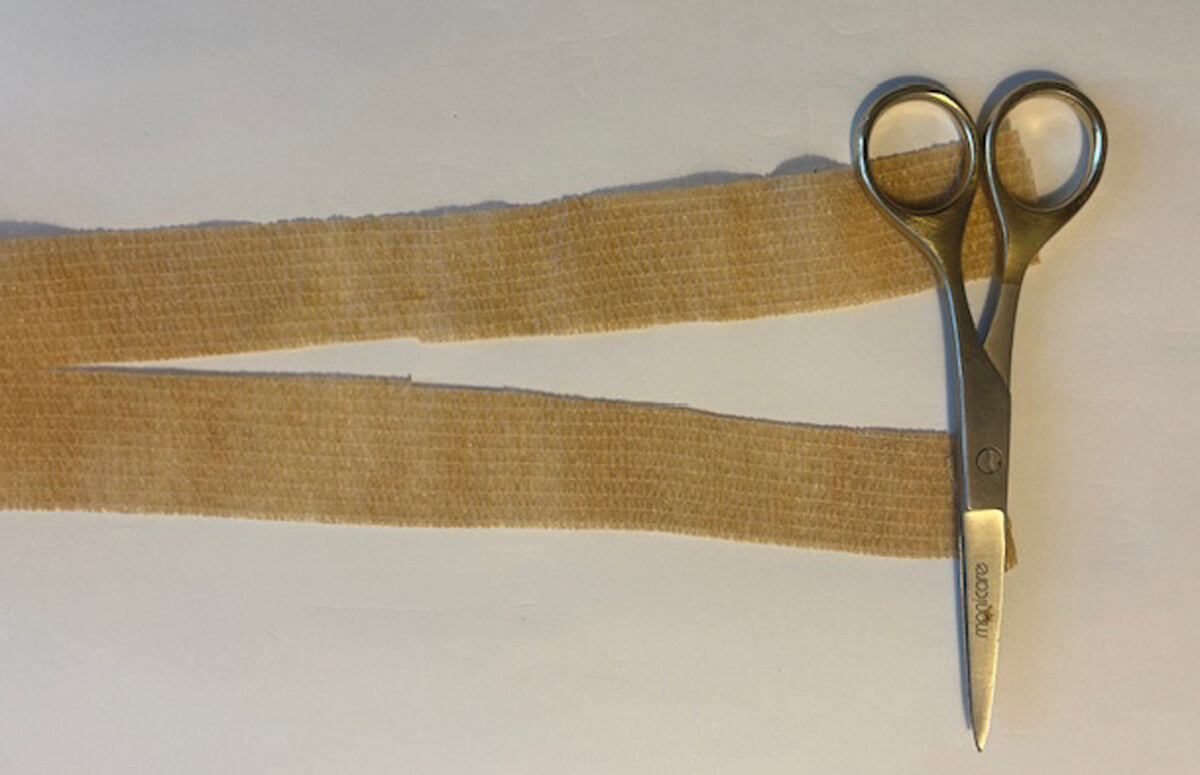
Figure 4: Tailoring the strapping.
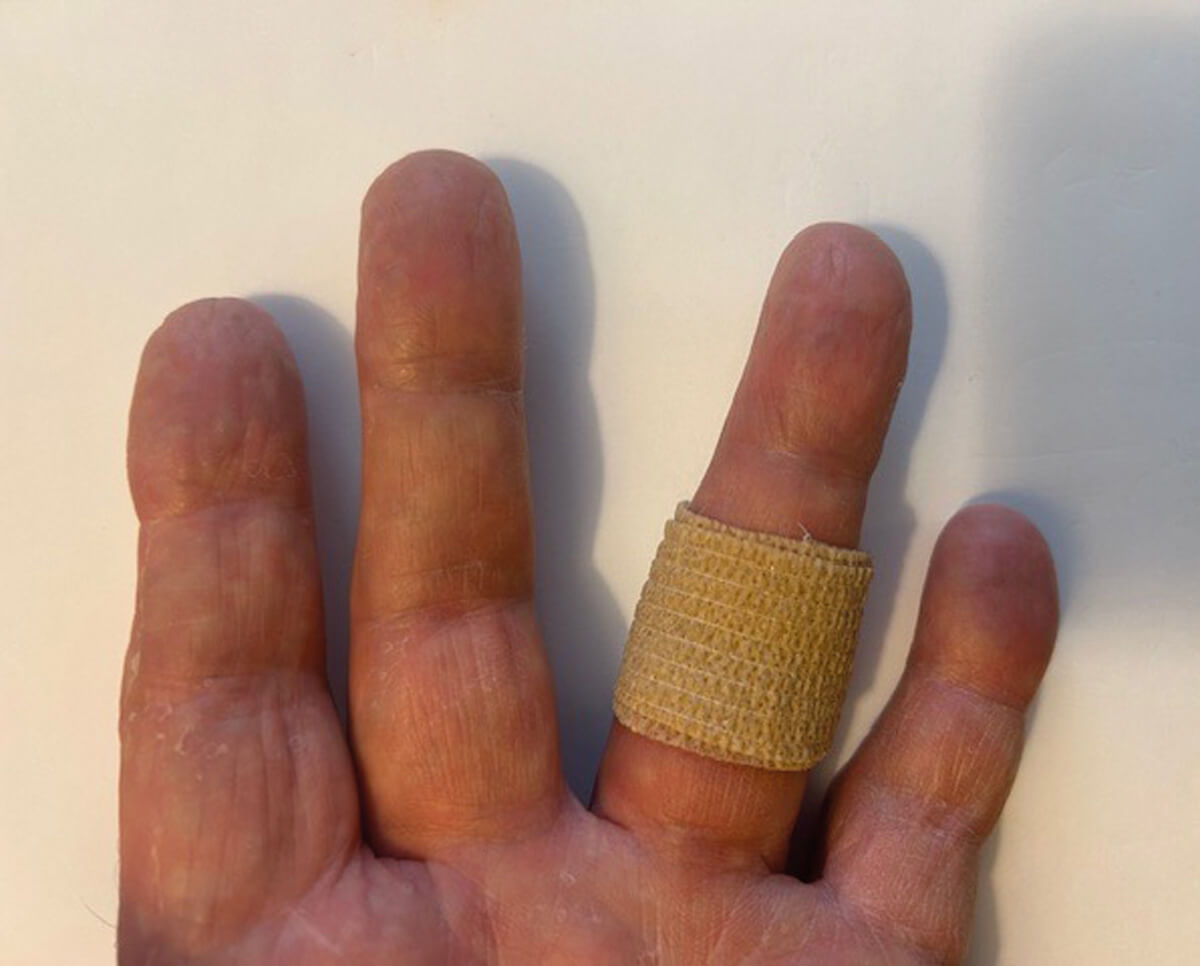
Figure 5: Application of strapping as single digit to control joint and swelling.
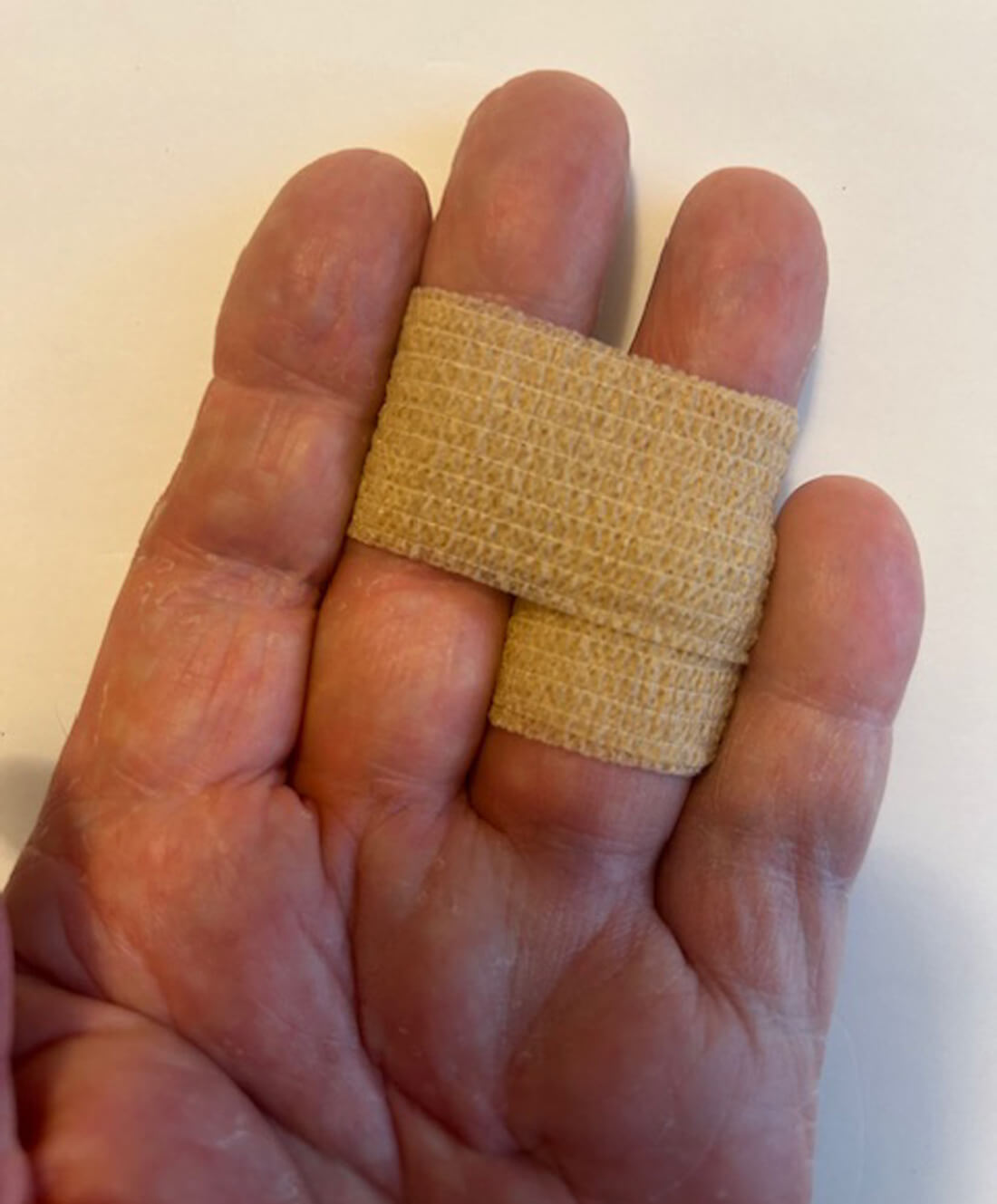
Figure 6a: Application for use a buddy strap for the injured digit to the middle finger.
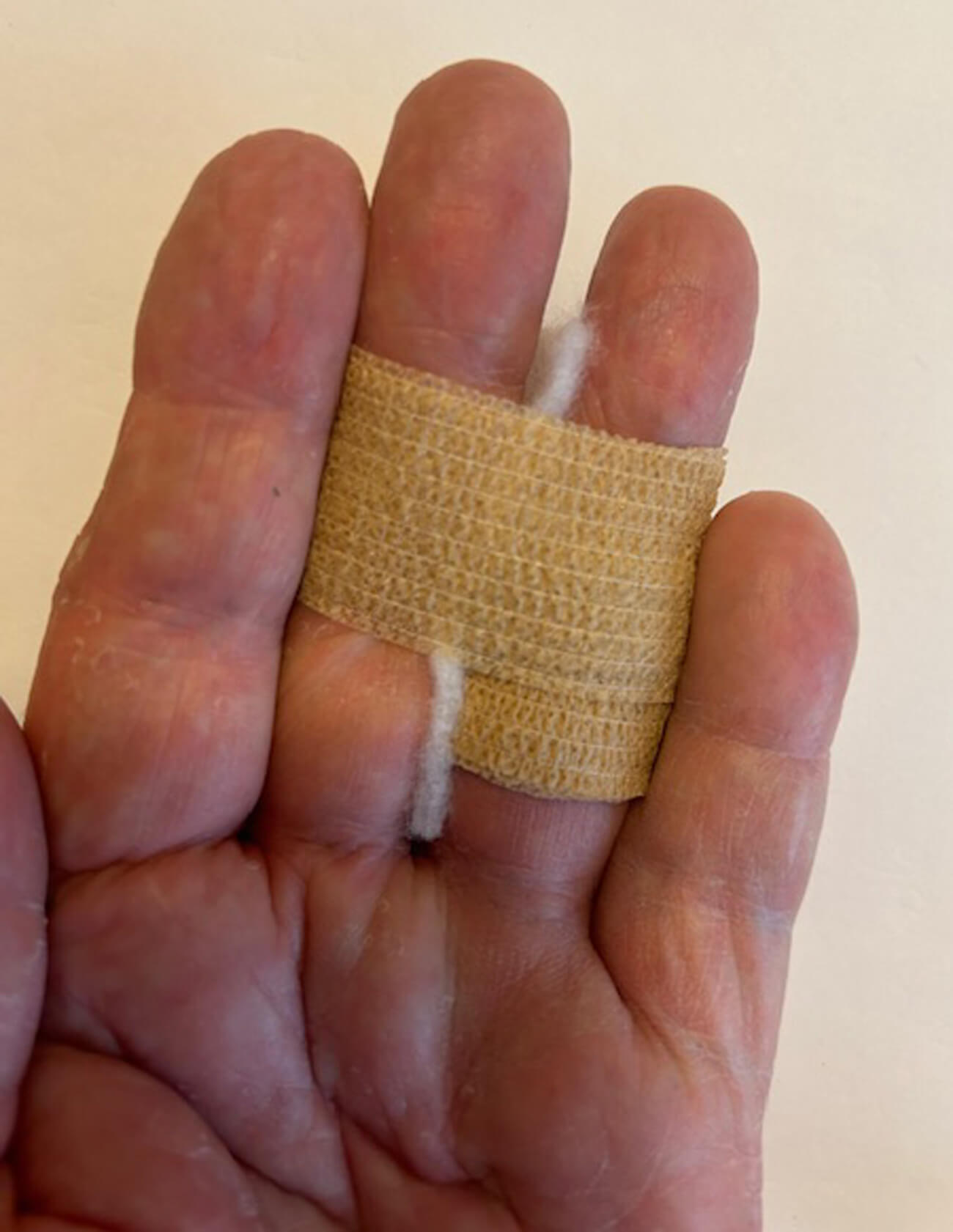
Figure 6b: Use of easily retained gauze to separate the digits in buddy strapping.
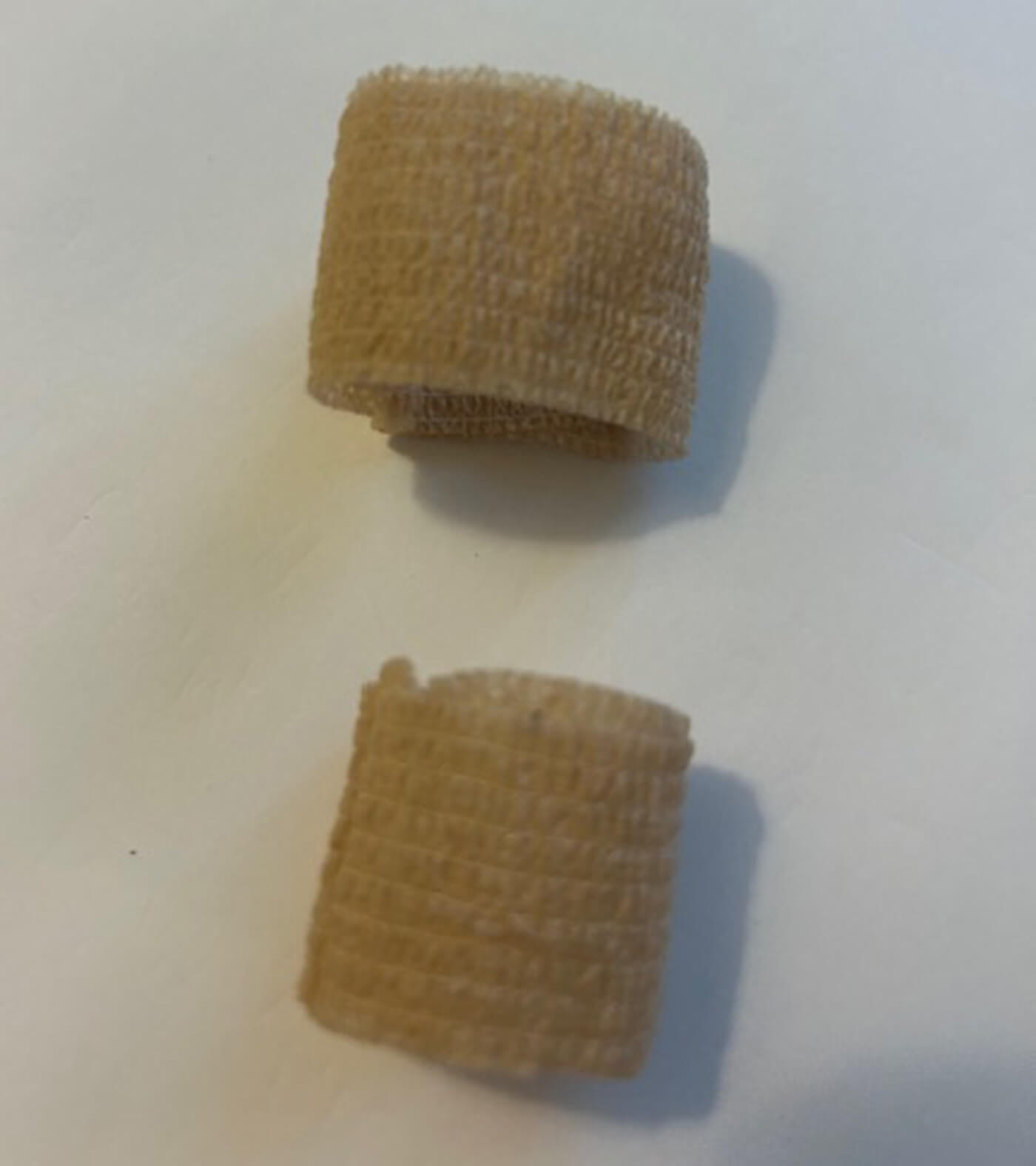
Figure 7: Ring finger elasticated bandage support and buddy strap
have been temporarily removed for ease of hand washing.
Tips
There are distinct advantages of using this customised, elasticated, self-adherent tape for buddy strapping digits over the more commonly used ‘above and below’ joint application of ‘inch pink’ Elastoplast and gauze dressings. These are:
- There is less restriction on active and passive mobilisation of the affected joint.
- The strapping is easily self-applied.
- The elasticated strapping can be separately applied for a controlled pressure over the affected joint to help reduce and control soft tissue swelling.
- Single-digit application can be omitted or used in combination with distal joint buddy strapping (Figure 6a).
- ‘Inch pink’ Elastoplast is non-compliant, and difficult to self-apply over gauze dressings. Gauze can easily be applied underneath the elasticated strapping and changed without necessarily removing the strapping (Figure 6b).
- Using single-digit strapping to control swelling also removes the need to use gauze between the digits normally used to prevent excoriation.
- The strappings are easily removed intact (Figure 7) and because they are self-adherent and have been effectively pre-moulded, they can be easily reapplied after showering, digit cleaning and massage of the affected digit.
- The strapping is cheap and effective, allowing early return of function to the hand.
- Elastoplast can be difficult and uncomfortable to remove when ‘stuck’ on the skin of the affected digit.
- A caution of Elastoplast is related to adhesive skin allergy in atopic individuals, although allergy to rubber needs to be excluded for use of the elasticated strapping.
Declaration of competing interests: None declared.
